Understanding DEX Fundamentals: A Complete Guide
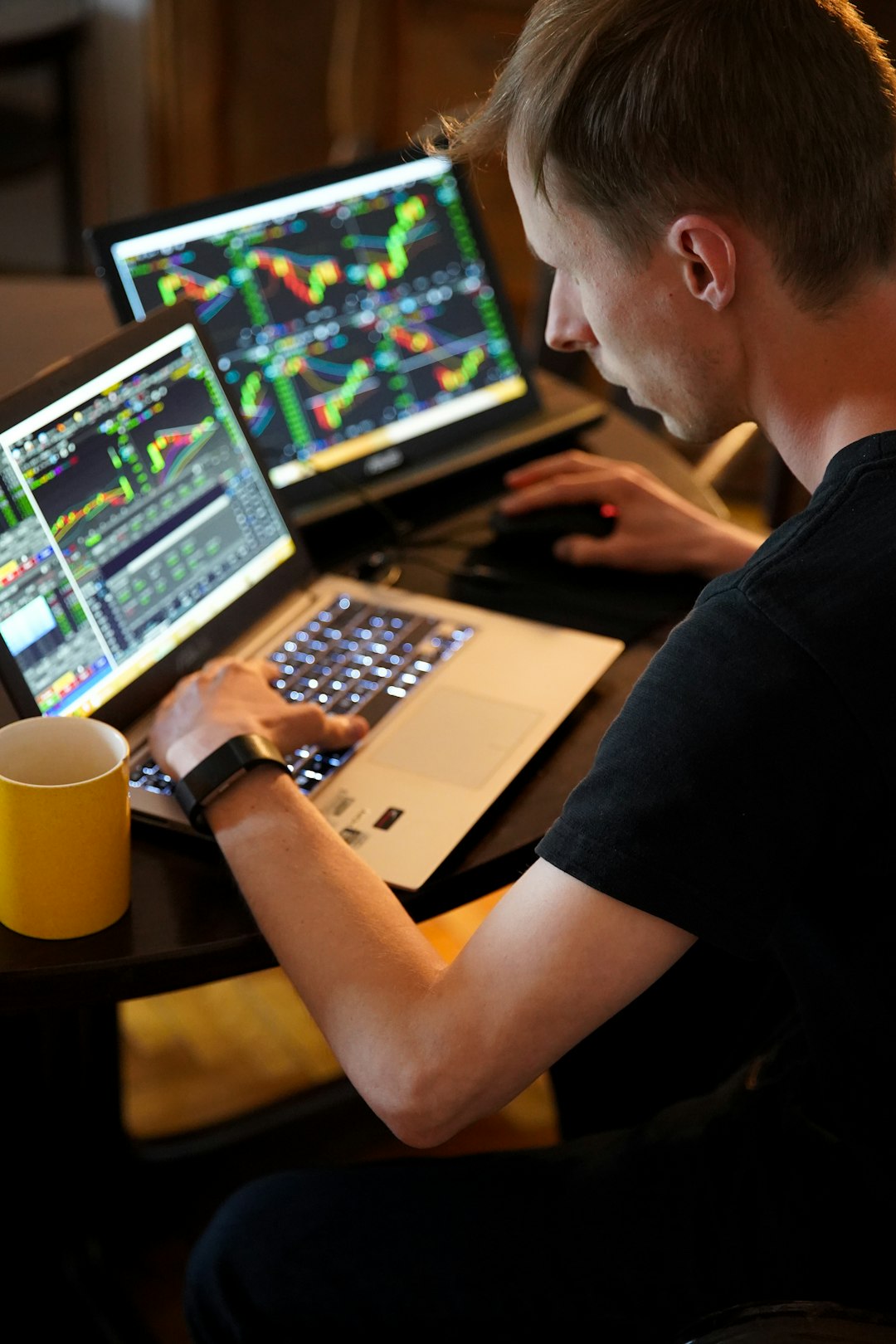
Decentralized exchanges represent one of the most significant innovations in blockchain technology, fundamentally changing how we think about financial infrastructure and asset trading. Unlike traditional centralized exchanges that act as intermediaries holding user funds, DEX platforms enable peer-to-peer trading directly from user wallets, maintaining the core blockchain principle of decentralization.
What Makes DEX Platforms Revolutionary
The traditional financial system relies on centralized intermediaries to facilitate transactions, maintain order books, and custody assets. This centralized model introduces several risk factors including single points of failure, potential for censorship, and vulnerability to hacking. Decentralized exchanges eliminate these concerns by leveraging smart contracts to automate trading operations.
When you trade on a DEX, you maintain custody of your private keys throughout the entire transaction process. Smart contracts execute trades atomically, meaning the transaction either completes entirely or fails completely, with no intermediate state where funds could be lost or stolen. This trustless architecture represents a paradigm shift in how financial services operate.
Automated Market Makers: The Heart of Modern DEX
Most contemporary decentralized exchanges utilize Automated Market Maker protocols rather than traditional order book systems. AMMs revolutionized DeFi by solving the liquidity problem that plagued early DEX attempts. Instead of matching buy and sell orders from different parties, AMMs use liquidity pools funded by liquidity providers.
The mathematical formula behind AMMs, typically a constant product formula like x * y = k, automatically determines exchange rates based on the ratio of tokens in the pool. When traders swap tokens, they interact with these liquidity pools, with prices adjusting algorithmically based on supply and demand dynamics.

Understanding Liquidity Pools
Liquidity pools are smart contracts that hold reserves of two or more tokens. Liquidity providers deposit equal values of paired tokens into these pools, receiving LP tokens representing their share of the pool. These LP tokens can be redeemed later for the underlying assets plus accumulated trading fees.
The beauty of this system lies in its simplicity and composability. Anyone can become a liquidity provider, earning passive income from trading fees. The protocol automatically distributes a percentage of each trade to LP token holders proportional to their pool share. This democratizes market making, previously the domain of sophisticated institutional players.
Price Discovery and Slippage
Price discovery on DEX platforms occurs through arbitrage. When token prices diverge from broader market rates, arbitrage traders profit by buying low and selling high, naturally pushing DEX prices toward equilibrium. This decentralized price discovery mechanism ensures competitive pricing without centralized control.
Slippage represents the price difference between when you initiate a transaction and when it executes. In AMM systems, larger trades relative to pool size cause greater slippage because they significantly alter the token ratio. Understanding slippage helps traders optimize their strategies and avoid unexpected losses.
Smart Contract Security Considerations
While DEX platforms eliminate counterparty risk associated with centralized exchanges, they introduce smart contract risk. Bugs in contract code can lead to catastrophic losses, making security audits essential. Reputable DEX protocols undergo multiple independent audits and maintain bug bounty programs to identify vulnerabilities.
Users should always verify they're interacting with legitimate contract addresses and understand that approving token allowances grants smart contracts permission to access funds. Best practices include starting with small test transactions, using hardware wallets for significant holdings, and researching protocol security track records.
Gas Fees and Network Congestion
Every DEX interaction requires paying network gas fees to validators who process transactions. During periods of high network activity, gas prices can spike dramatically, making small trades economically unfeasible. Layer 2 scaling solutions and alternative blockchains with lower fees address this challenge, enabling more efficient DEX operations.
Understanding gas optimization helps minimize transaction costs. Batching operations, trading during low-activity periods, and choosing appropriate networks based on transaction size all contribute to cost-effective DEX usage.
The Future of Decentralized Trading
DEX technology continues evolving rapidly. Cross-chain bridges enable trading assets across different blockchains. Concentrated liquidity mechanisms improve capital efficiency. Limit orders and advanced trading features bring DEX functionality closer to centralized exchange capabilities while maintaining decentralization benefits.
The integration of holographic interfaces and futuristic UI design, like those pioneered by Lighter DEX Education, makes complex DEX operations more intuitive. Green neon aesthetics with glowing highlights guide users through sophisticated trading workflows, reducing the learning curve for newcomers.
As blockchain technology matures, decentralized exchanges will likely capture increasing market share from traditional platforms. Understanding DEX fundamentals positions you to participate in this financial revolution, trading with sovereignty and transparency impossible in legacy systems.
Getting Started with DEX Trading
Begin your DEX journey by setting up a non-custodial wallet compatible with your chosen blockchain. Fund it with native tokens for gas fees and the assets you wish to trade. Start with small amounts while learning interface navigation and transaction confirmation processes.
Research liquidity before trading. Deeper liquidity means less slippage and better execution prices. Check trading volume and liquidity pool sizes to ensure sufficient market depth for your trade size. Many DEX aggregators compare prices across multiple platforms, helping you find optimal rates.
The decentralized finance ecosystem offers unprecedented opportunities for those willing to understand its mechanics. By mastering DEX fundamentals, you gain access to permissionless, censorship-resistant trading that embodies blockchain's core values of decentralization and user sovereignty.